

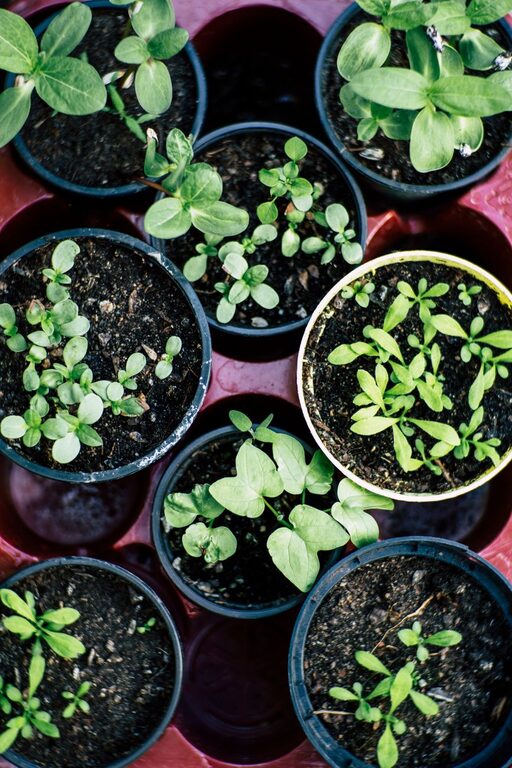
Growing a small herb garden indoors is a rewarding and practical way to enjoy fresh flavors right in your kitchen. Whether you have limited outdoor space or want a year-round supply of herbs, indoor gardening offers convenience and beauty. This guide explains how to start your own herb garden indoors with easy-to-follow steps for beginners.
Why Grow Herbs Indoors?
Herbs are versatile plants that enhance your cooking, aromatherapy, and even home decor. Indoor gardening allows you to:
– Have fresh herbs available anytime
– Control growing conditions easily
– Avoid pests and harsh weather
– Save money compared to buying fresh herbs
Some popular indoor herbs include basil, parsley, mint, thyme, chives, and rosemary. These herbs grow well in pots and provide a great introduction to indoor gardening.
Choosing the Right Herbs for Indoor Growing
Not all herbs thrive indoors equally. When selecting herbs, consider:
– Light requirements: Most herbs need 6-8 hours of sunlight daily.
– Growth habit: Choose compact, slow-growing herbs for small spaces.
– Use: Pick herbs you frequently use in cooking for convenience.
Beginner-Friendly Herbs
– Basil: Loves sunlight and warmth; perfect for sunny windowsills.
– Parsley: Moderately light-loving and easy to grow.
– Mint: Grows rapidly; best kept in a separate pot to control spreading.
– Chives: Require moderate light and regular watering.
– Thyme and Rosemary: Drought-tolerant and prefer bright light.
Selecting Containers and Soil
Containers
Choose pots with drainage holes to prevent waterlogging, which can harm roots. Options include:
– Terracotta pots: Breathable and attractive.
– Plastic pots: Lightweight and retain moisture longer.
– Recycled containers: Upcycled jars or tins with holes added.
Size matters; small herbs need pots about 4-6 inches wide. Larger pots suit herbs that grow bigger or for multiple plants.
Soil
Use a high-quality potting mix designed for indoor plants. Avoid garden soil, which may be too heavy or contain pests. Look for soil that drains well but retains some moisture.
Setting Up Your Indoor Herb Garden
Lighting
Herbs rely on adequate light to grow healthy leaves. Place your garden where it receives:
– Direct sunlight for 6-8 hours a day, ideally a south-facing window
– If natural light is limited, consider using grow lights with a full spectrum
Rotate pots regularly to ensure all sides get light.
Watering
Herbs prefer evenly moist soil but not soggy. Water when the top inch of soil feels dry. Tips:
– Water in the morning to prevent mold
– Use room temperature water
– Avoid overwatering, which can cause root rot
Temperature and Humidity
Most herbs flourish at 65-75°F (18-24°C) with average household humidity. Avoid placing plants near drafts, heaters, or air conditioners.
Planting Your Herb Garden
You can start your garden from seeds, seedlings, or cuttings.
Starting from Seeds
– Fill containers with potting mix.
– Sow seeds according to packet depth instructions.
– Water gently and cover with plastic wrap to maintain humidity.
– Place in warm, bright location.
– Germination times vary from 7-21 days.
Using Seedlings or Cuttings
– Purchase healthy seedlings from a nursery.
– Gently remove from original containers and transplant into your pots.
– For cuttings, snip a healthy stem, remove lower leaves, and place in water or moist soil until roots form.
Caring for Your Indoor Herb Garden
Fertilizing
Feed herbs every 4-6 weeks with a balanced, water-soluble fertilizer at half strength. Over-fertilizing can reduce flavor intensity.
Pruning and Harvesting
Regular trimming encourages bushier growth and prevents legginess.
– Harvest leaves by pinching off just above a pair of leaves.
– Avoid cutting more than one-third of the plant at once.
– Remove any yellowing or dead leaves promptly.
Pest Management
Indoor herbs are less vulnerable to pests but watch for:
– Aphids
– Spider mites
– Whiteflies
Treat infestations with insecticidal soap or by wiping leaves with a damp cloth.
Troubleshooting Common Issues
| Problem | Cause | Solution |
|—————–|————————-|——————————————–|
| Leggy plants | Insufficient light | Increase light exposure or add grow light |
| Yellow leaves | Overwatering or poor drainage | Allow soil to dry; improve pot drainage |
| Wilting | Underwatering or root rot| Check soil moisture; adjust watering |
| Slow growth | Low nutrients or light | Fertilize and ensure adequate light |
Enjoying Your Indoor Herb Garden
Once established, your herb garden will provide fresh ingredients for cooking and a lovely green space to enhance your home. Try incorporating herbs into salads, teas, sauces, and garnishes. Indoor herb gardening also offers a calming hobby and a connection to nature, even in small apartments.
—
Starting a small herb garden indoors is simple, enjoyable, and rewarding. With the right herbs, containers, and care, you can enjoy fresh flavors year-round. Happy gardening!