

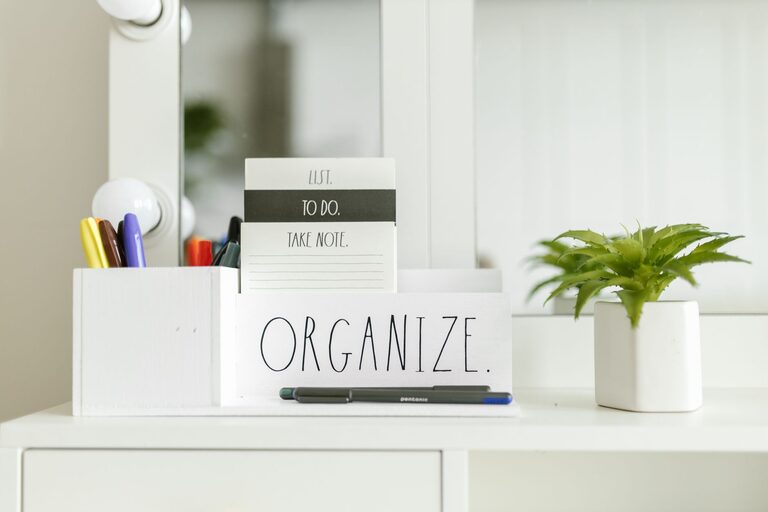
Creating a family command center is a fantastic way to bring order and clarity to your busy household. It serves as a central hub where everyone can stay informed, organized, and connected, helping to reduce stress and improve communication. Whether you have young children, teens, or a mix of ages, a command center can help keep track of appointments, chores, meal plans, and more.
In this guide, we’ll walk you through the steps to set up a family command center tailored to your household’s needs. From choosing the right location to essential components and creative ideas, you’ll find everything you need to create a command center that works for you.
What Is a Family Command Center?
A family command center is a dedicated space in your home where you organize important information and everyday essentials. It can include calendars, schedules, to-do lists, mail organizers, and more. The goal is to create a visible, easy-to-use spot where everyone in the family can quickly access and update important information.
Why Set Up a Family Command Center?
– Improves communication: Everyone stays informed about schedules and responsibilities.
– Reduces stress: Clutter and confusion are minimized when important info is centralized.
– Increases productivity: Helps plan meals, chores, and activities efficiently.
– Builds good habits: Encourages responsibility and teamwork among family members.
Step 1: Choose the Right Location
Pick a spot in your home that is central and frequently visited by family members. Common locations include:
– The kitchen wall or pantry door
– Near the front door or entryway
– A hallway or mudroom
– A dedicated nook or corner in the living area
Make sure the space you choose has enough room for your materials and is at a comfortable height for all family members to see and use.
Step 2: Gather Your Supplies
Before assembling your command center, collect some basic supplies based on what you want to include. Here are some essentials:
– Wall calendar or planner
– Dry erase board or chalkboard
– Corkboard or magnetic board
– Baskets or trays for mail and papers
– Hooks for keys and bags
– Pens, markers, and sticky notes
– Labels for organization
Many items can be purchased ready-made, or you can create DIY versions using simple materials to match your home’s style.
Step 3: Decide What to Include
Every family’s needs are different, but here are common elements to consider:
Calendars and Schedules
– Family calendar showing appointments, activities, and deadlines
– Individual calendars for kids or adults with personal schedules
– Meal planning chart for weekly dinners
Communication Tools
– Whiteboard or chalkboard for reminders and messages
– To-do lists for chores or errands
– Important phone numbers and emergency contacts
Mail and Paper Management
– Mail sorter for incoming bills, invitations, and school papers
– Filing system for important documents
Storage and Organization
– Hooks or small shelves for keys, backpacks, and sunglasses
– Clipboards or folders for permission slips and notes
Step 4: Set Up Your Family Command Center
- **Start with the calendar:** Position it in a place that’s easy to read at a glance.
- **Add communication boards:** Install a whiteboard or corkboard nearby for notes.
- **Organize mail and documents:** Place baskets or trays below or beside the boards.
- **Include storage hooks:** Attach hooks for keys and bags so they don’t get lost.
- **Keep supplies handy:** Use a small container for pens and markers.
- **Label everything:** Clear labels help family members know where things belong.
Step 5: Involve the Whole Family
Make sure everyone knows how to use the command center. Encourage family members to:
– Check the calendar daily
– Update their schedules and to-do lists
– Add reminders or notes as needed
– Use the mail sorter properly
You might even schedule a weekly family meeting to review the upcoming week and adjust plans together.
Step 6: Maintain and Update Regularly
A command center is most effective when it stays current. Here’s how to keep it functional:
– Clear out old papers and notes weekly
– Update calendars with new events
– Adjust chore charts and meal plans as needed
– Refresh labels and supplies if they become worn
Creative Ideas for Your Command Center
– Use colorful magnets or washi tape to differentiate family members’ schedules.
– Add a small chalkboard for fun quotes or weekly challenges.
– Include a charging station for devices near the command center.
– Hang a family photo or artwork for a personal touch.
– Incorporate a small basket for lunchbox notes or motivational messages.
Final Thoughts
Setting up a family command center can transform your home’s organization and reduce daily chaos. By centralizing important information and creating a routine for use, your family will stay more connected and prepared. Start small, customize based on your needs, and enjoy the benefits of a more organized household. Happy organizing!